Altitude
Typically found between 9,800 and 17,000 feet above sea level.

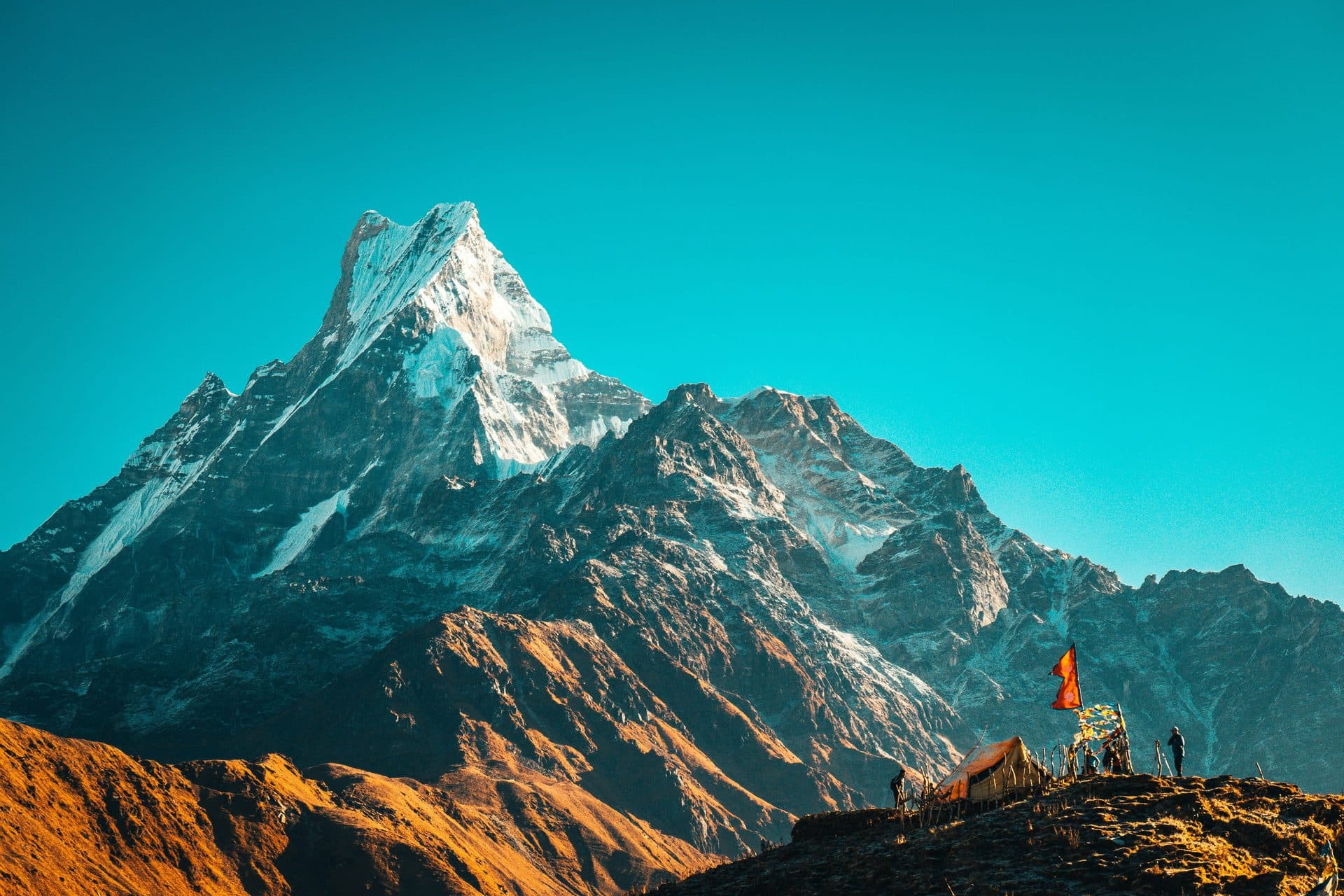
Explore population data across 12 range countries, discover cultural lore, test your eyes in high-altitude camouflage challenges, and uncover what stands between the snow leopard and extinction.
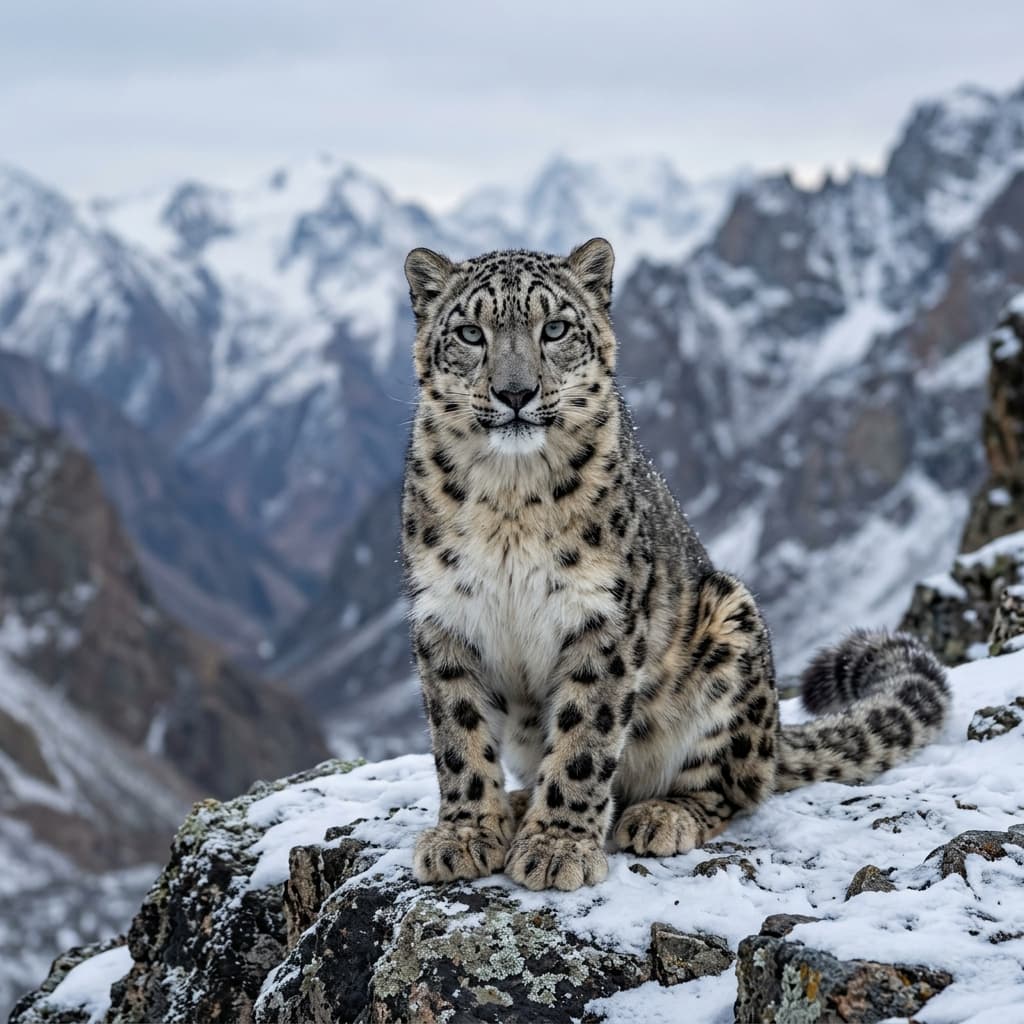
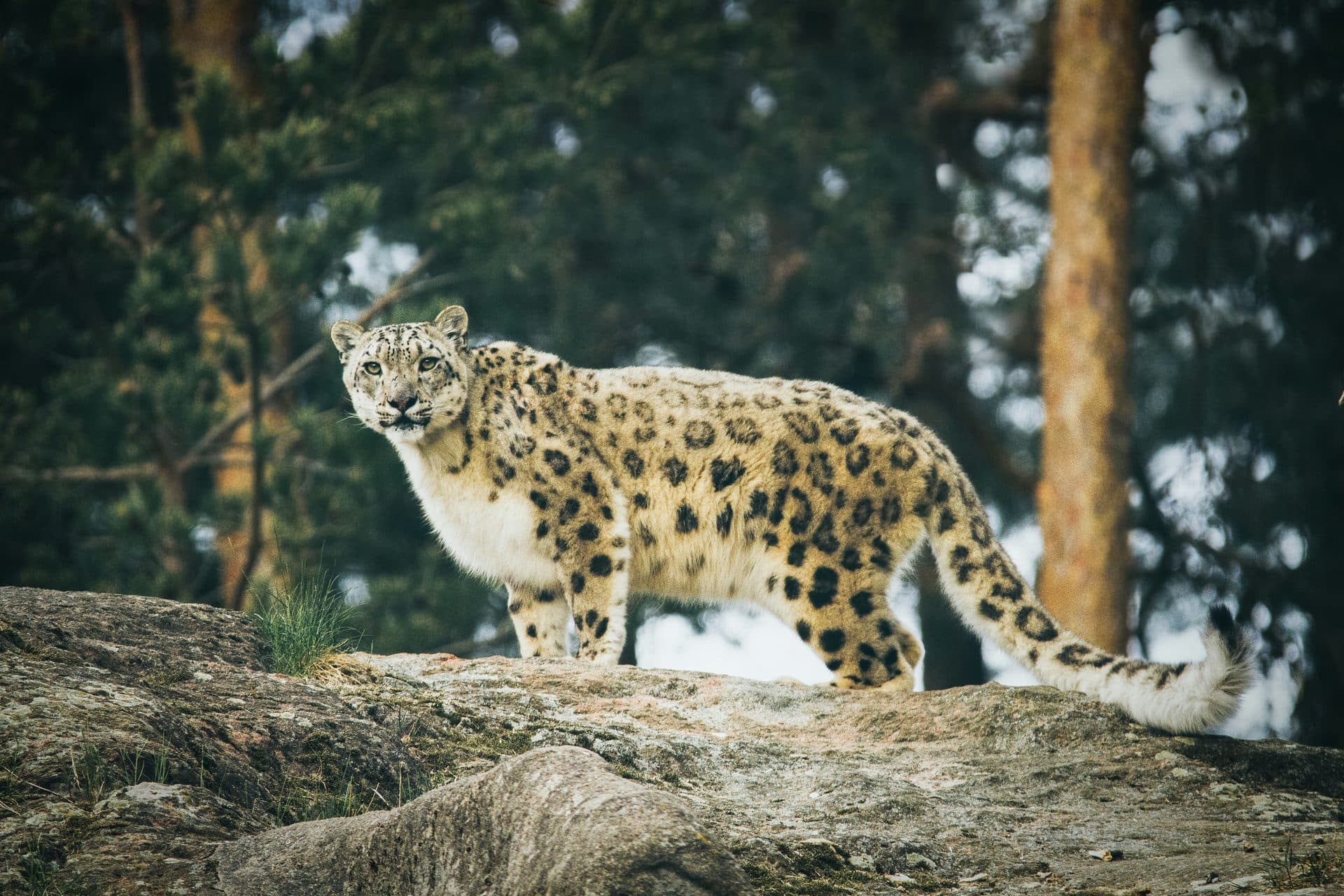
Snow leopards are solitary big cats native to the rugged, high-altitude mountain ranges of Central and South Asia. Known as the "ghosts of the mountains," they are perfectly adapted to survive in some of the harshest environments on Earth.
Their thick, grey-and-white coats patterned with dark rosettes blend seamlessly into rocky slopes.
Large nasal cavities warm freezing air, and wide paws act as natural snowshoes.
Habitat Elevation
Source: GSLEPCold Tolerance
Source: Snow Leopard TrustMature Population
Source: IUCN Red ListIUCN Status
Source: IUCN Red ListIn 2017, the IUCN downlisted the snow leopard from Endangered to Vulnerable. This decision was contested by major conservation organizations, including the **Snow Leopard Trust** and **Panthera**, who argued the science did not support removing Endangered status. They cautioned that a public perception of improvement could undercut critical conservation funding and political urgency, emphasizing that "Vulnerable" status still signifies a high risk of extinction in the wild.
Panthera uncia
Perfected by evolution for life on the vertical cliffs.
Get to know the biological blueprint of the mountains' most specialized predator.
22 – 55 kg
(49 – 121 lbs)
75 – 150 cm
Plus 80–105% tail length
10 – 12 yrs
Up to 20+ in captivity
| Kingdom | Animalia |
| Phylum | Chordata |
| Class | Mammalia |
| Order | Carnivora |
| Family | Felidae |
| Genus | Panthera |
| Species | P. uncia |
| Binomial name | Panthera uncia (Schreber, 1775) |
Toggle to see how a snow leopard compares to a domestic cat and a human. The leopard's long tail equals its entire body length.
Dimensions
Leopard H: ~60 cm
Leopard L: ~120 cm
Tail L: ~100 cm
Snow leopards inhabit the high-altitude mountains of Central and South Asia, from the Altai in the north to the Himalayas in the south. Click any marker or country to explore.
Click a marker or country border to see population data and habitat regions.
Total Global Population
The mature breeding population is estimated at 2,710–3,386 individuals.
Source: IUCN Red List / GSLEPSnow leopards live in some of the most extreme environments on Earth, thriving at high altitudes across Central and South Asia.
Typically found between 9,800 and 17,000 feet above sea level.
Rocky mountains, cliffs, and steep slopes ideal for ambush hunting.
Cold, dry regions with long winters and minimal vegetation.
Spans 12 countries including Nepal, China, Mongolia, and India.
Across the mountain communities of Central Asia, the snow leopard is not merely a biological species, but a sacred entity woven into folklore, religion, and ecology.
Regarded as a spirit animal and messenger, the snow leopard is revered as the "Lord of the Mountains" and connected to Tengri, the sky deity in Mongolian mythology. It frequently appears as a protective guardian figure in traditional carvings and embroidery.
Viewed as a guardian of the high peaks and a symbol of protection, resilience, and spiritual guidance. This deep cultural reverence translates into tolerance: Buddhist principles discouraging harm to living beings have documented influence in reducing retaliatory killings.
Regarded as a powerful, mystical guardian of the fragile mountain ecosystem. The cat symbolizes strength, grace, and independence, reminding mountain communities of the delicate balance of life at high altitudes.
Locally known as "irbis," folklore among Wakhi and other communities in the Pamir Mountains includes stories of people transforming into snow leopards. It is widely associated with honor, strength, and luck in regional oral traditions.
"This isn't just folklore trivia. Local cultural reverence has directly shaped real conservation outcomes."
In November 2023, a herder in Nepal's Mustang district lost dozens of goats to a group of snow leopards in a single incident. Instead of retaliating, the herder chose not to harm the predators, citing Buddhist teachings on compassion for all living beings.
Today, community-based conservation programs build upon these cultural values. By formalizing livestock compensation and insurance programs, conservationists align economic incentives with pre-existing local traditions, turning age-old reverence into a practical shield for the snow leopard.
Documenting the elusive presence of snow leopards in their native high-alpine territories.

📍 Himalayas, Nepal
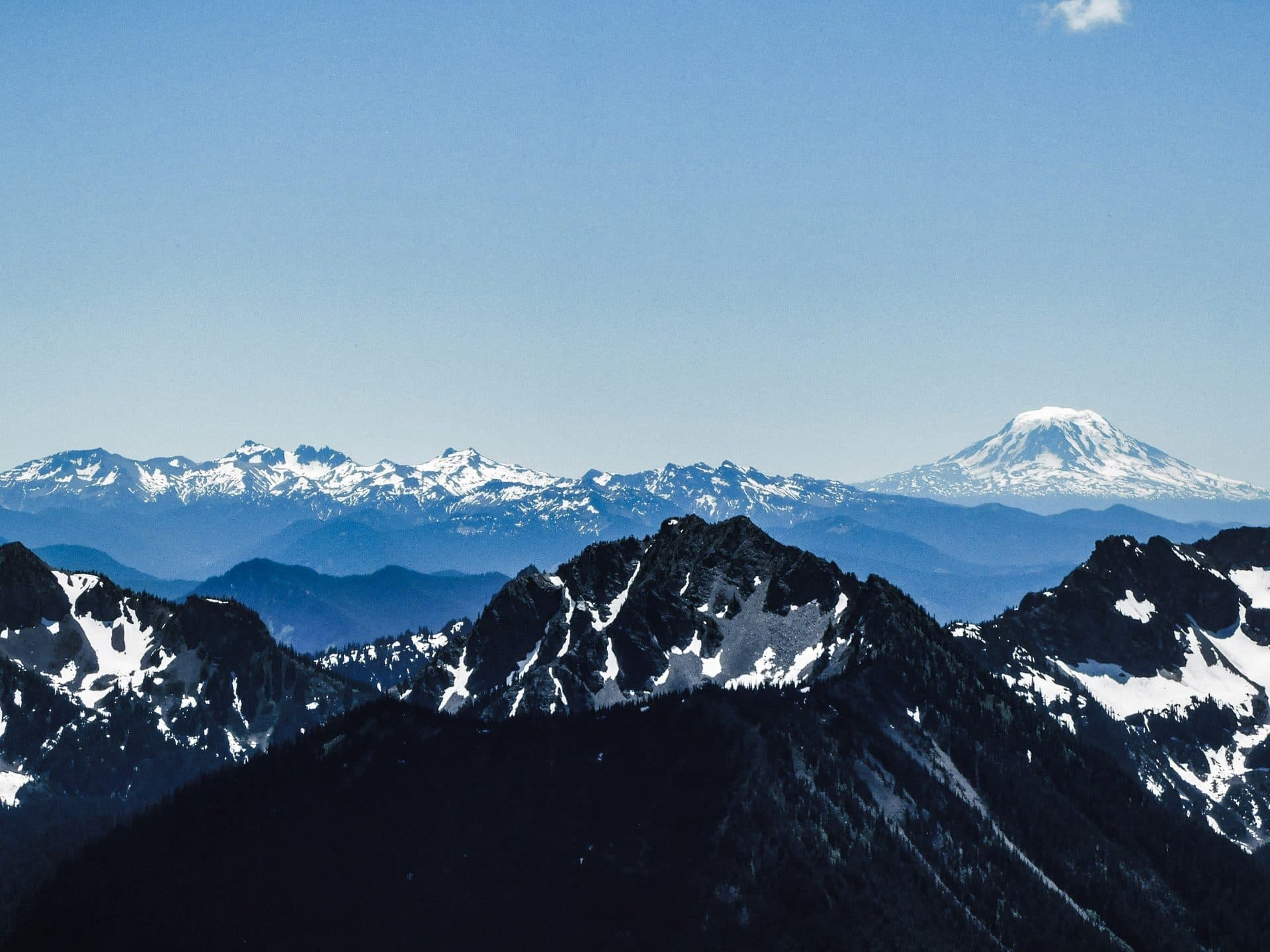
📍 Altai Mountains, Mongolia
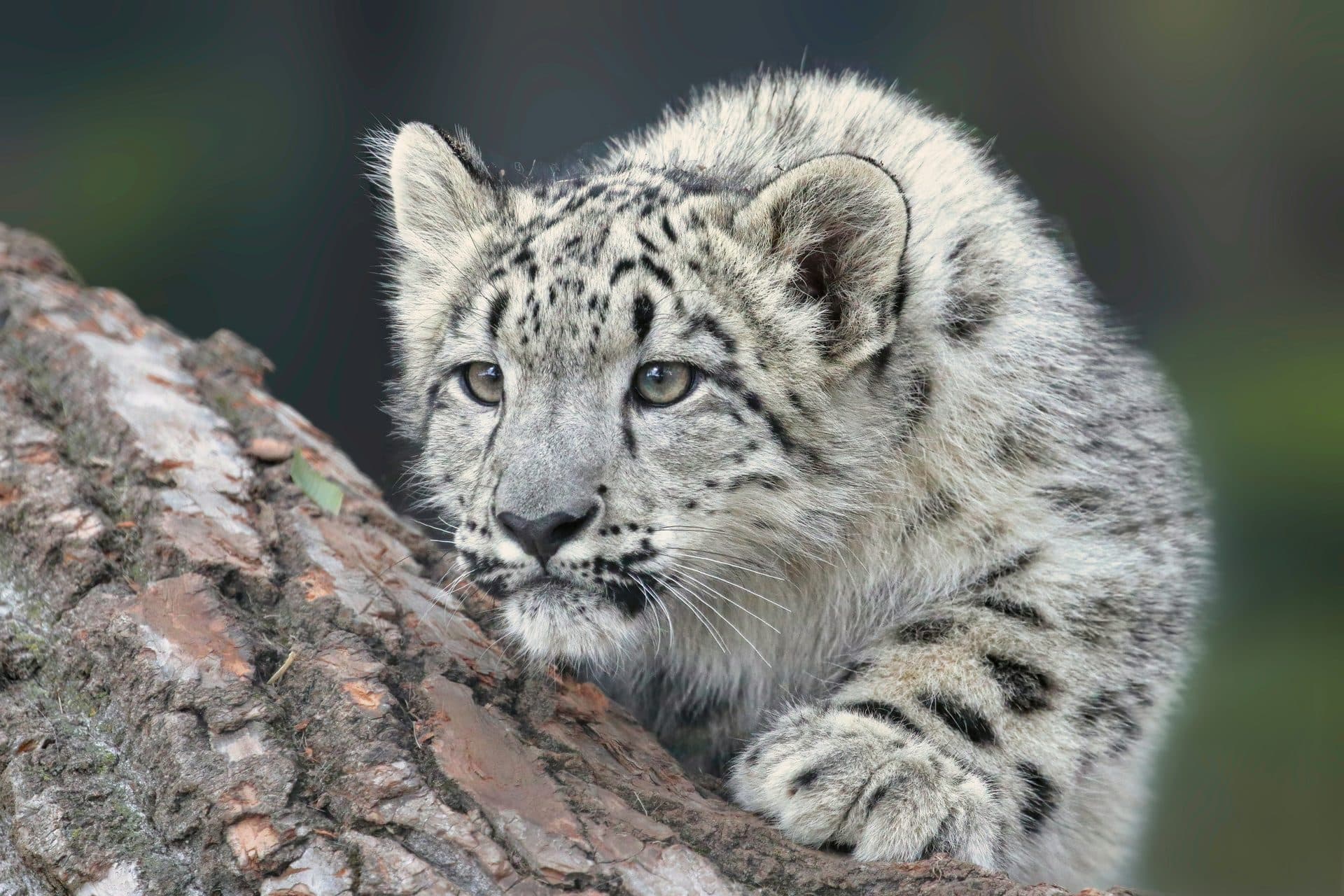
📍 Ladakh, India
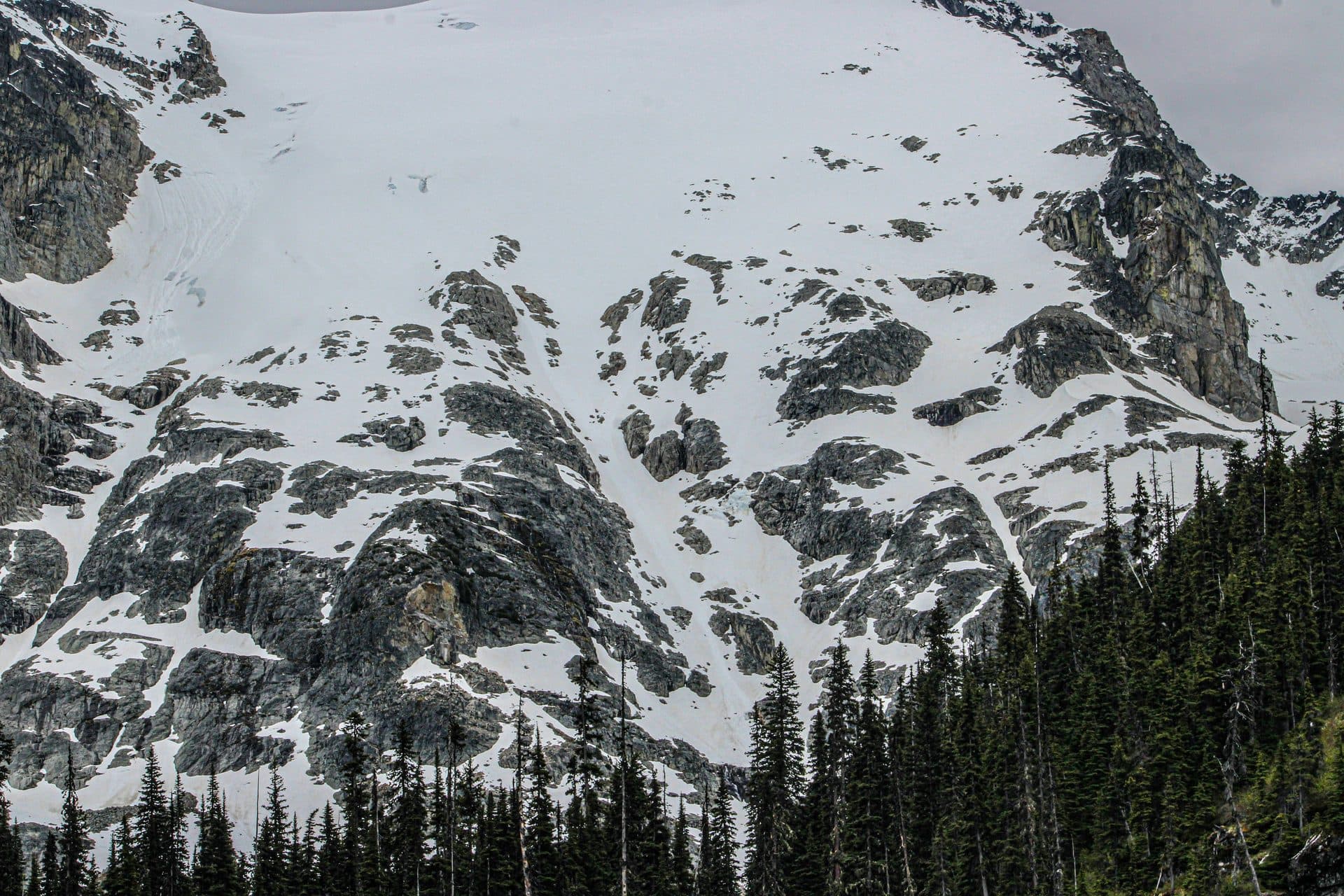
📍 Tian Shan, Kyrgyzstan

📍 Pamir Mountains, Tajikistan

📍 Spiti Valley, India
SCANNING: Motion Detected...Panthera uncia DETECTED
Four decades of data tell a story we cannot ignore.
Tracing the history of global efforts, legal agreements, and scientific networks that stand between the snow leopard and extinction.
Governments of all 12 snow leopard range countries sign the Bishkek Declaration in Kyrgyzstan, launching the Global Snow Leopard and Ecosystem Protection Program (GSLEP). This is the first joint governmental commitment to secure habitats across national boundaries.
The ghost of the mountains faces perils that could make it a myth forever.
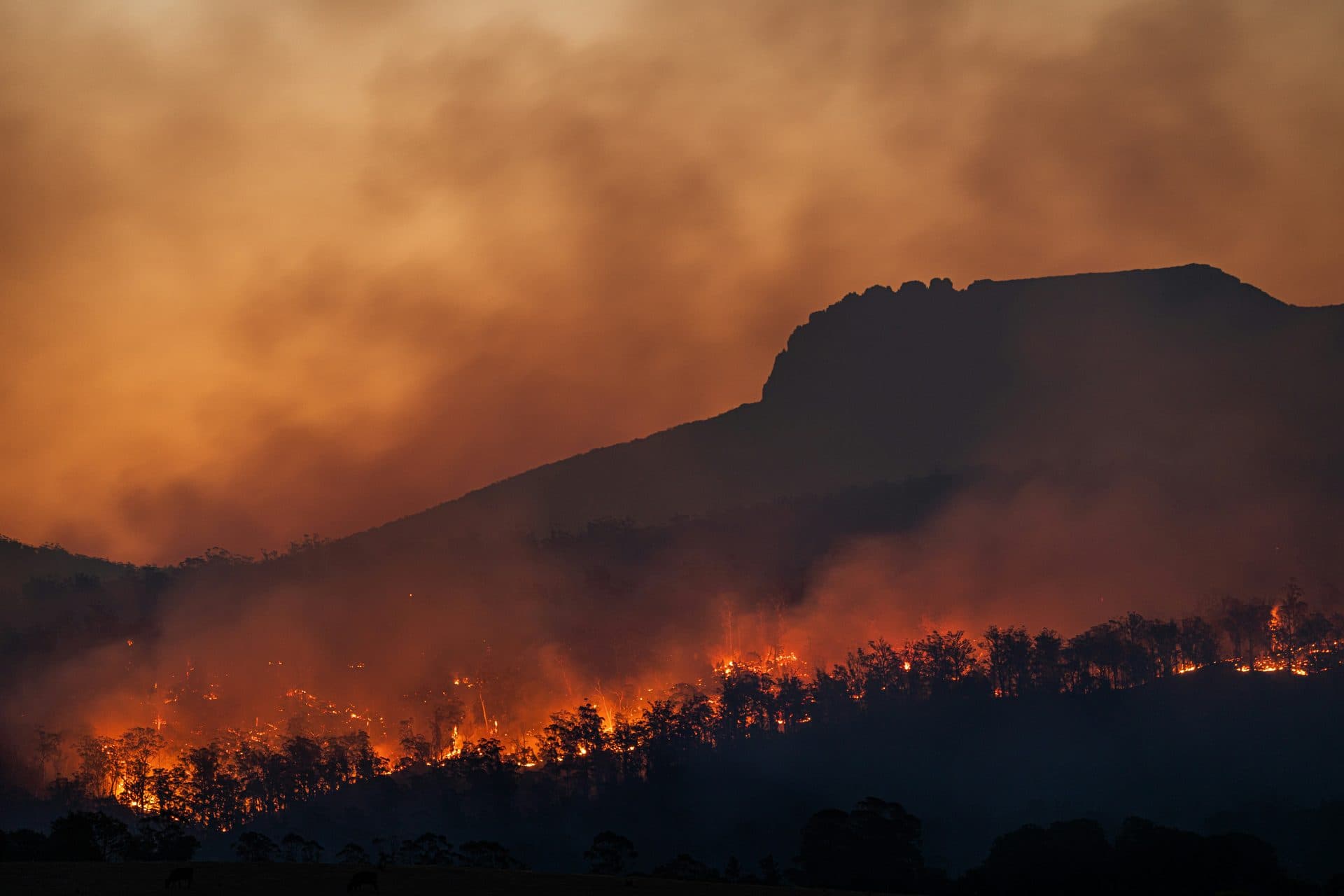
Expansion of farms and roads fragments their home.

Warming temperatures shrink their alpine habitat.

Decline in wild prey forces them to target livestock.
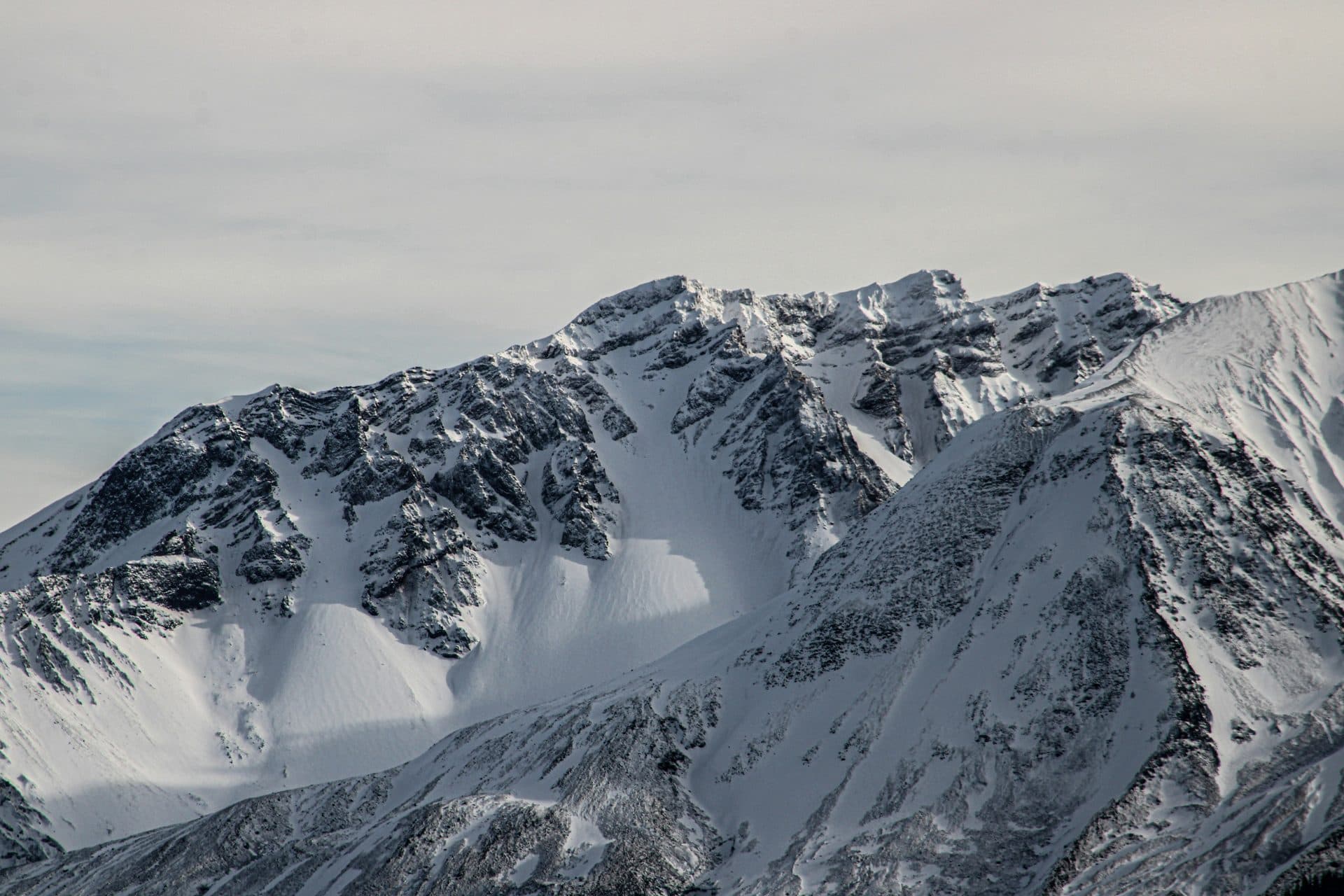
Discover the unique adaptations and mysteries of the ghost of the mountains.
Snow leopards can leap over 50 feet (15 meters) in a single jump — that's 6 times their body length! Their powerful hind legs are built for jumping across deep chasms and steep rocky terrain. This explosive jumping ability is crucial for their ambush hunting style, allowing them to pounce on prey from high rocky ledges.
Source: Snow Leopard Trust💡 They engage in 'crepuscular' activity, meaning they are most active during the low-light hours of dawn and dusk.
Source: Panthera💡 Their large paws act like natural snowshoes, distributing weight to prevent sinking into deep snow.
Source: Snow Leopard TrustSnow leopards are master camouflagers. Test your eyes against real high-altitude terrain, adjust difficulty levels, and uncover conservation facts.
Choose your difficulty level and try to find the hidden snow leopard silhouette in the rocky cliffs before time runs out.
Loading quiz questions...
Hope exists. Here is how we are turning the tide for the ghost of the mountains.
We work with local herders to insure their livestock, reducing retaliatory killings when snow leopards attack.
Equipping anti-poaching patrols with GPS tech and winter gear to protect the high-altitude range.
GPS collaring and camera traps help us understand migration patterns and health of the population.
While direct donating is helpful, conservation is a collective effort. Here are tangible, real-world ways you can actively participate in protecting the ghosts of the mountains.
Join hands-on field research. Organizations like Biosphere Expeditions run volunteer-backed scientific expeditions in Kyrgyzstan's Tien Shan mountains, working with local universities and the Snow Leopard Trust to monitor populations.
Directly support communities sharing habitat with predators. The Snow Leopard Conservancy India Trust's Himalayan Homestay Program invites travelers to stay with local families, turning tourism income into conservation incentives.
Participate in or spread awareness of October 23, officially proclaimed by the UN General Assembly in 2024 as the International Day of the Snow Leopard. Celebrate conservation efforts and educate others annually.
Support established groups directly. Organizations like the Snow Leopard Trust (boasting a 4-star Charity Navigator rating), Snow Leopard Conservancy, Panthera, and GSLEP lead scientific research and policy on the ground.
Spread awareness locally. Use Snow Leopard Trust's free 'Take Action' resources to host presentations, start school environmental clubs, or coordinate educational events in your local community.
Your action today secures a future for the snow leopard tomorrow.
Receive a plushie and certificate. Directly funds localized conservation.
Adopt NowFuel ensuring research, camera traps, and ranger equipment year-round.
Give Today proof-of-concept — no payment processedGet field reports and sighting news directly from the Himalayas.
Subscribe